The Chickens of the Canoe People

Can you think of a single island in the world (not even Key West, Florida), where there are more feral chickens around than on Kaua`i? But in the sediments of Makauwahi Cave,

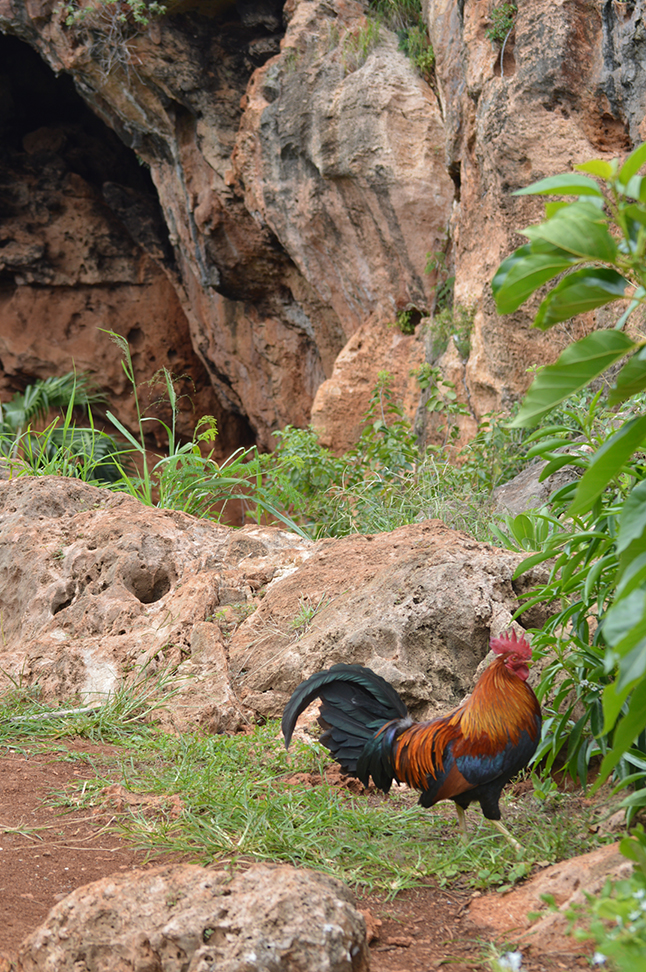
Feral Rooster at Makauwahi Cave

A feral rooster strolls by the South Cave entrance to Makauwahi Cave. Cave sediments from the time before European arrival contain bones with ancient DNA that traces them back to Hawaiian’s native homelands in island Southeast Asia.(photo by Lida Pigott Burney)

back centuries ago before the advent of Europeans with chickens, there are plenty of fossil bones of an ancient breed — chickens that came with the first Hawaiians.

The ancient DNA recovered from these bones, and those of two other sites in the Pacific region, made international news this week as the fossil evidence in a paper published in Proceedings of the National Academy of Sciences, USA.
Continue reading

Youthful Energy!

Ongoing work at the cave has had an infusion of dedicated young people lately. Nikki Saadat, a sophomore from Antioch College, joined us in mid-January, and will be helping

Graduate Students

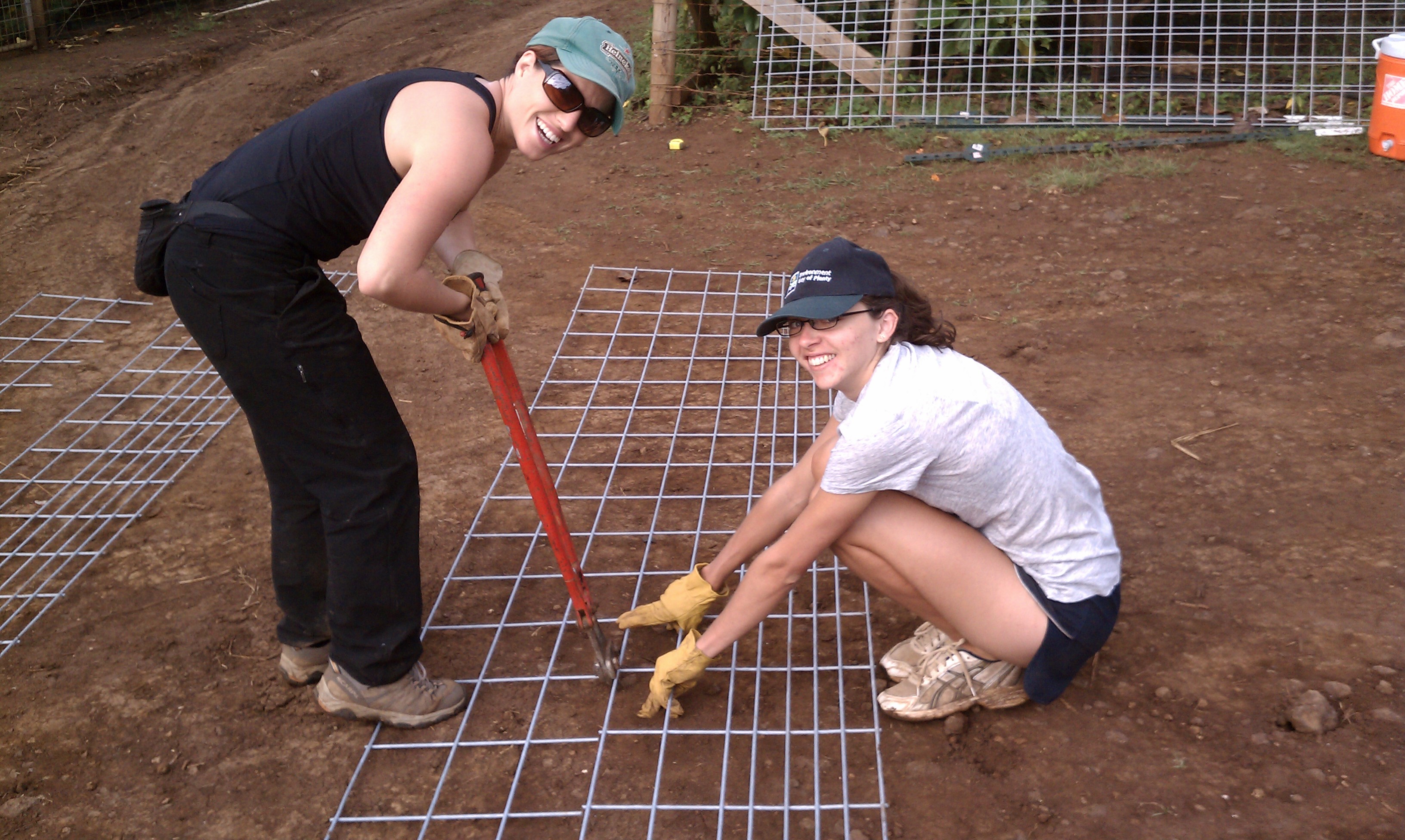
Graduate students Lara Maspoli and Natasha Yamamoto cut fence panels for an experimental enclosure to be used for studies of tortoise grazing ecology.

everybody with everything going on down there until early April. Natasha Yamamoto and Lara Maspoli, graduate students working with tortoise expert Dennis Hansen at the University of Zurich, joined us in late February and will be studying aspects of tortoise feeding, seed dispersal, nutrient flux, and other useful details over the next few months.

Continue reading

Nice Number

Makauwahi Cave Reserve just gets bigger and bigger in every way. Some 2013 numbers: minimum estimate for total visitation: 21,203. Number of days cave was open: 277 (vs. 238 in 2012).

An exciting statistic for 2014: number of days each week with regular guided tours, three, vs. one in past years. Richard Segan’s tireless efforts have made it possible to have a tour

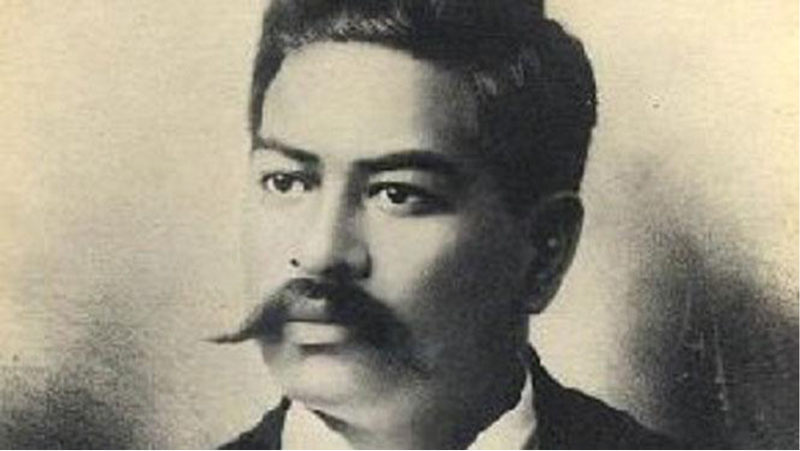
Prince Jonah Kuhio Kalaniana`ole (1871-1922)

Prince Jonah Kuhio Kalaniana`ole (1871-1922)

guide on duty in the cave on Wednesdays and Fridays, as well as the traditional Sundays.

Last week (March 20) for the Prince Kuhio Day special event, we had 113 adults and 20 children – despite the rainy weather.

Rewilding – Writ Larger

Scenes from Burney’s recent trip. (Top left) Rare European bison, or wisent, have transformed an obscure national park in Holland into a successful dune restoration and a very popular tourist venue. (Top right) At the Oostvardersplassen, abandoned farmland near Amsterdam is now one of Europe’s greatest wildlife spectacles, with more than 1000 prehistoric-looking Konik horses. (Center) Heck cattle and red deer (elk) roam in great herds at Oostvardersplassen, with residences, powerlines and high-speed trains just beyond the fence. (Lower left) At the François Leguat Giant Tortoise and Cave Reserve on tiny Rodrigues Island in the middle of the Indian Ocean, over 1500 giant tortoises do the weeding in large-scale native plant restorations. (Lower right) In the Beanka Reserve of remote western Madagascar, spectacular, newly discovered caves, 30,000 acres of pristine dry forest, and an upcoming giant tortoise rewilding project promise to make this new undertaking an exciting addition to the island’s system of privately operated reserves.

I always tell folks when showing them around our tortoise project at Makauwahi Cave Reserve that what we are doing is experimenting with “rewilding, writ small.” By that I mean we are using these handsome substitutes for the extinct giant flightless ducks and geese in a relatively small, fenced experiment that tests some of the ideas that people like Ted Turner on his western buffalo ranches and Sergei Zimov at Pleistocene Park in Siberia are doing on much bigger scales – attempting to fill gaping holes in the functioning of damaged native ecosystems by bringing back keystone large herbivores.
Continue reading

Botanical illustration Coming Soon!

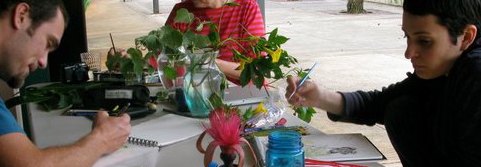
The whole month of February, Wendy Hollender will be back on Kauai at NTBG to teach the Botanical Illustration Intensive Workshop. Two sessions of two weeks each will be offered, so sign up for either or both! Get more information on this ever-popular course offering that includes tours of Makauwahi Cave Reserve and Limahuli Gardens by visiting the drawing in color website. The program offers individualized instruction in drawing techniques, botanical art history, and plant anatomy and ecology.

Award-winning Volunteers

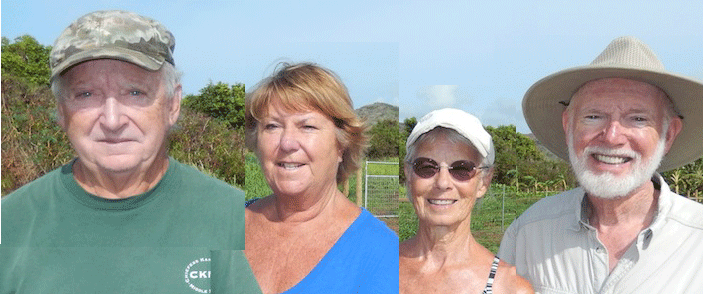
MCR volunteers Barry Werthwine, Mary Werthwine, Billie Dawson, and Neil Brosnahan were among a small group of Kauai seniors honored recently at a recognition ceremony hosted by the Retired Senior Volunteer Program, RSVP. They each gave over 500 hours of service in the year 2012. These hours include guided cave tours, gardening, school tours, and monitoring the tortoise herd. We have jobs for everyone. Be in touch and see what opportunity fits your likes.

Tourists, Tortoises, and Taro

Thanks to the generosity of the Hawai`i Tourism Authority, we have been able to greatly expand our offerings for visitors to Makauwahi Cave Reserve, from the nearest towns on Kaua`i to the farthest reaches of the earth. Regarding the latter, among the thousands of visitors signing the guest book in the cave recently have been Russians, Chinese, and South Americans.

Fence

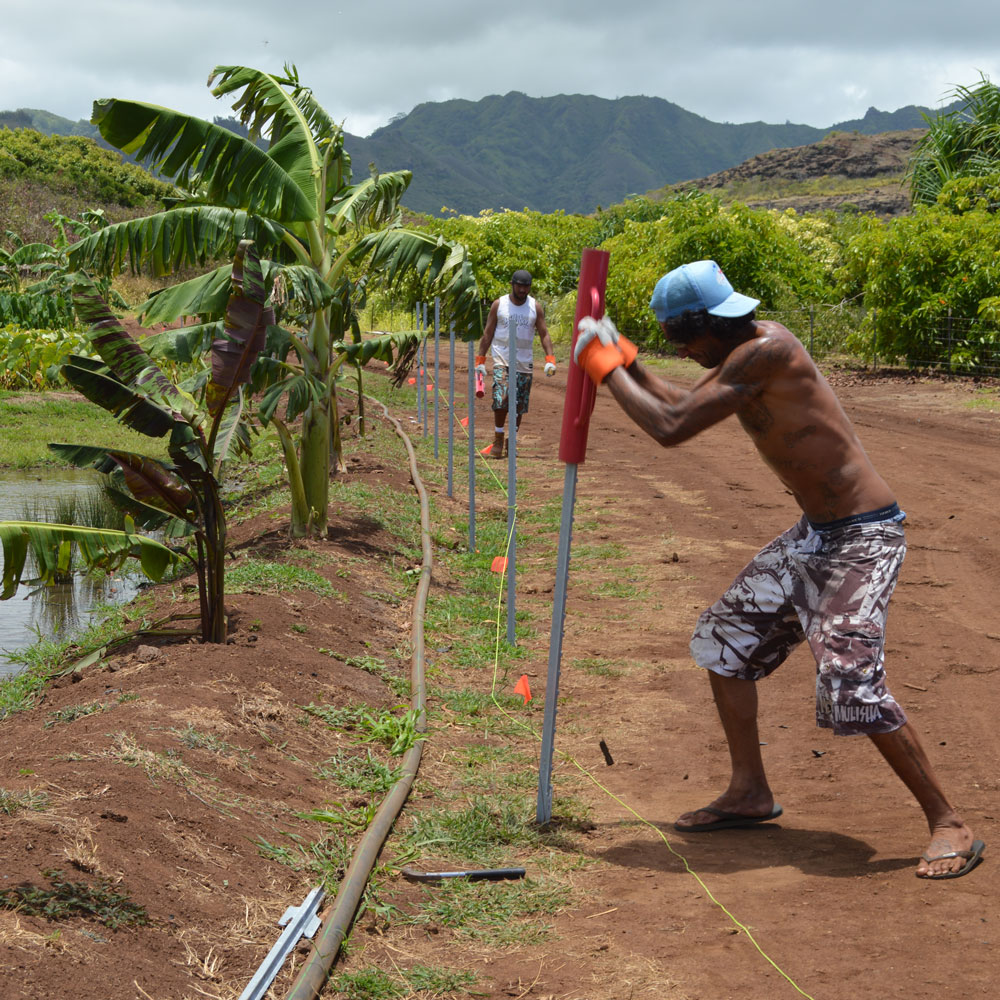
Interns in the Makauwahi Jobs Program, which provides career training and temporary employment for unemployed Native Hawaiians, pound fence posts for the new fence that will protect the lo`i ponds from rooting wild pigs.(photo by Lida Pigott Burney)

Our record attendance these last few months has included regular Sunday visitors for the free cave tours, but also large and small groups by appointment, special events such as “Ni`ihau Day” back in April, and ever more people hiking our self-guiding trail, often all the way from the Hyatt Hotel via the conveniently connecting Maha`ulepu Heritage Trail. Continue reading

Another Great Field School

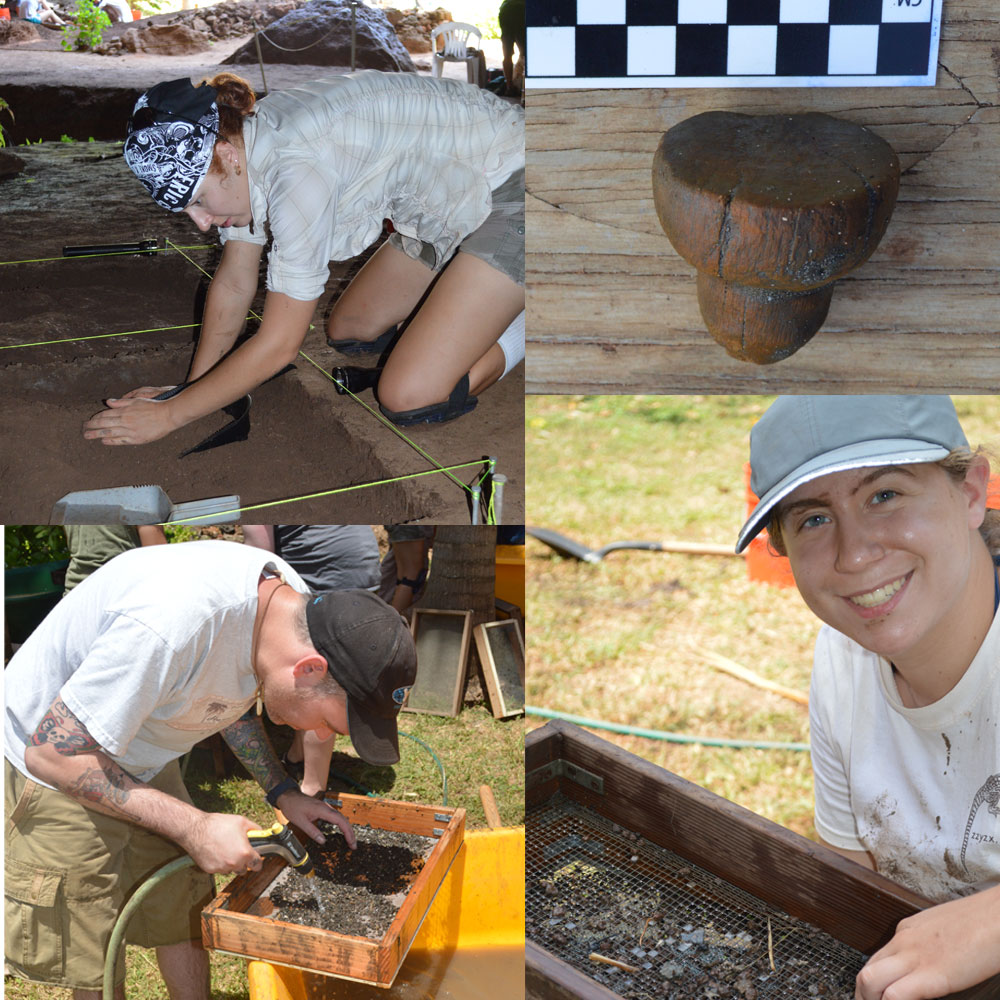
The Kaua`i Archaeological Field School, founded back in 2008 and running for a month each summer, always finds a lot of great fossils and artifacts in the Makauwahi Cave excavations. How could it be otherwise, in such historically rich deposits, with about 20 energetic college students from all over the continent helping us dig, sift, identify, and archive the specimens?
Students were as always quite amazed to see the remarkable state of preservation and evident trends in the 10,000-yr record from the site. We reached the apparent floor of the growing Northwest Pit at 6.7 m, within a foot of the same depth as in the East Pit from our digs in the late 1990’s.
I think everybody’s favorite artifact this year, certainly mine, was a large carved wooden gourd stopper, elegant in its simple functional lines. This perfect artifact, centuries old and the first of its type found at the site, is made of a dull yellowish brown wood that we have seen in many other artifacts, probably kou (Cordia subcordata). That was, and still is, the Hawaiians’ wood of choice for kitchen implements, bowls, and anything in contact with food, as it was found that it did not impart a flavor to the food, unlike koa and some other possibilities.

We had a “full house” in the sinkhole almost constantly during the excavations, as visitors had a chance to watch, and even participate in, the exciting discoveries we were making every day in the sediments of the past. It was a unique educational experience for students and visitors alike, and especially children of all ages.
We plan to offer the Archaeological Field School again next summer, probably through the month of July. Join us for up to 12 fully transferable credits through the University of Hawai`i – Manoa. We hope next year, in addition to the Archaeological Methods Field Course for graduates and undergraduates and the ever-popular “Natural History of the Hawaiian Islands” course taught by Dr. Burney two evenings per week, to bring back the Polynesian Archaeology lecture course another two evenings per week.

Early registration for next summer’s courses begins in November, so check it out on the Makauwahi Cave Reserve Facebook page.
Have You “Spotted” Our Leopard Tortoises?

If you take the time to find all 13 tortoises we currently have mowing our weeds in the fenced areas, or just get lucky, you may have seen one or both of a different kind of large tortoise with which we are experimenting in our native plant restorations, the Leopard Tortoise (Stigmochelys pardalis). Compared to our “Sulcata” tortoises, leopards have a higher domed shell and – you guessed it — black spots. Continue reading