The (Living) Birds of Makauwahi Cave

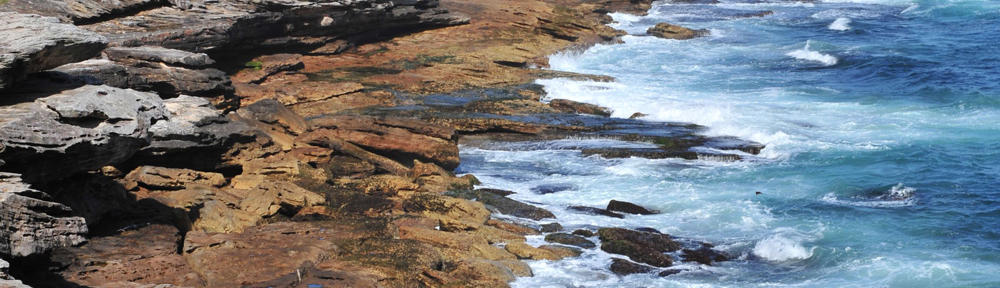
It’s easy in the midst of the long list of extinct birds from Makauwahi Cave to forget that there are also plenty of “fossil” birds that are still living, and even making a comeback of sorts, right by the cave.  I was reminded of this a couple of weeks ago, leading a group of visitors down the nature trail, when we saw a pair of Laysan Albatross circling low overhead, finally disappearing down into the abandoned quarry – perhaps scouting out a new colony?

I’ve also been reminded of this lately as our 13 new lo`i pondfields have filled up one by one and become a major new stop-off for our local Hawaiian Stilts and Koloa Ducks, two highly endangered water birds with bones among our fossils.  Also stopping by are the endangered state bird, the Nene, one of the first examples of a successfully “rewilded” species in the U.S.  It occurs as a common fossil in the cave deposits, but was extinct historically on Kaua`i.  When released in 1982, it spread rapidly on Kaua`i, at least in part because of the absence of the mongoose on the Garden Isle.
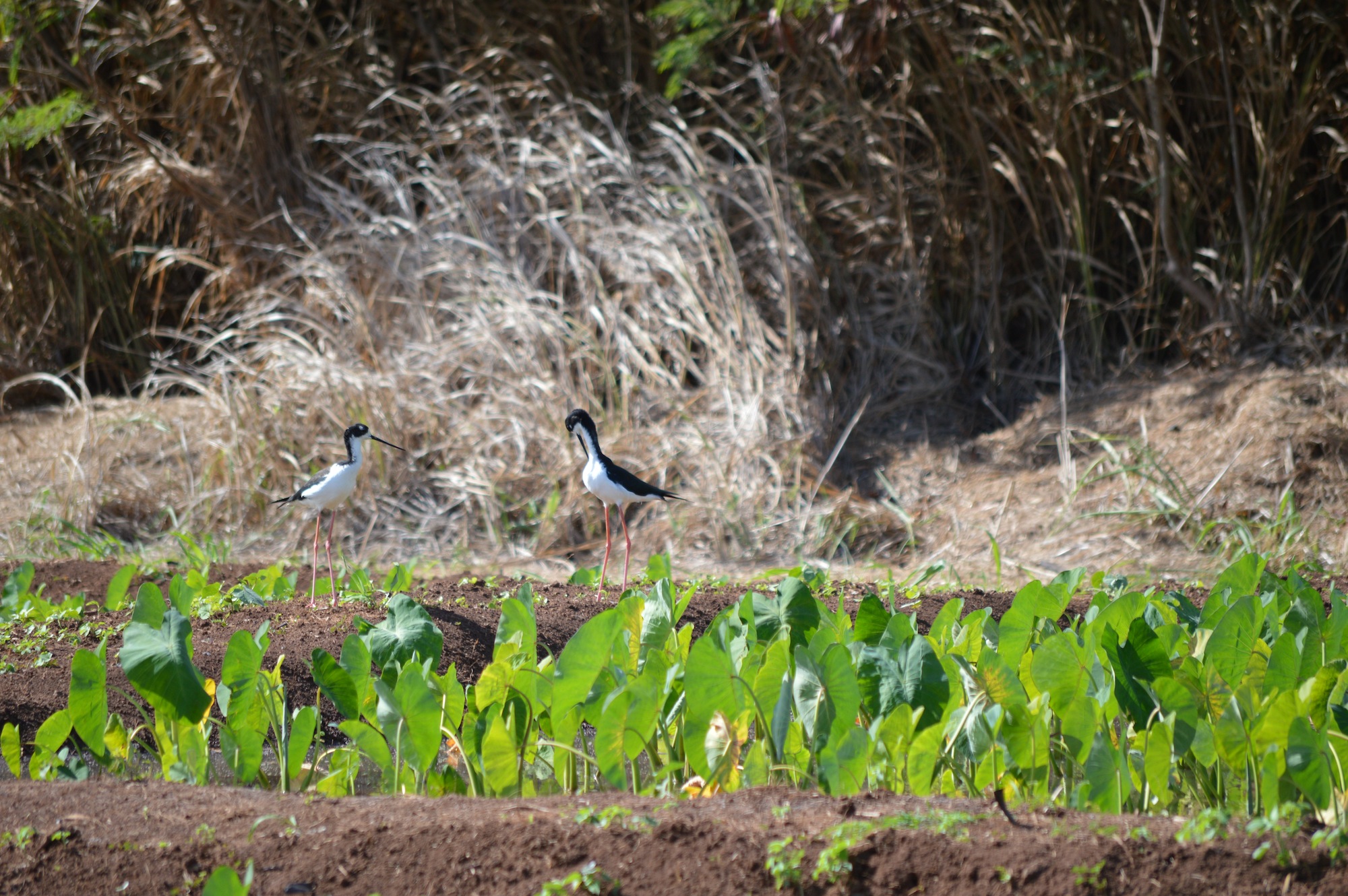

In the air over the cave any day, you are likely to see White-tailed Tropic Birds, which have nested successfully in the west wall of the sinkhole for many years, as attested by the pile of their bones on a high ledge beneath their favorite nest-spot.  Coursing up and down the beach, watch, too, for two species of boobies, as well as the Black Noddy flying by, and the local sandpiper, the Wandering Tattler – all creatures of our sediments, but also our present-day skies and beaches.

And  everywhere, even the most casual birder can see — from inside the sinkhole to the dry or flooded lo`i, to any opening in the growing forests of our restorations —  that great jet-setter of our winter birds, the Kolea, or Pacific Golden Plover, summering and breeding in Canada and Alaska, and enjoying the mild Kaua`i winter with us.  Their abundant bones in the sediments of the cave serve to remind us that the Kolea’s vacation route has apparently not changed for thousands of years.
NOAA Celebrates

In late October Jean Souza, Kauai Programs Coordinator for the National Oceanic and Atmospheric Administration, and a group of her volunteers celebrated the 40th anniversary of the National Marine Sanctuaries at Makauwahi Cave Reserve. The group enjoyed a hike on the nature trail, and a tour of the cave followed by a picnic at the stream side picnic area.

Let us know if you have a group that would like to visit us!

Give!

Although donations to Makauwahi Cave Reserve are helpful anytime in any amount, there are still just a few days left to unload any surplus funds before the tax year is over. Our system is easy and secure.

Donations can be made via Paypal Here.

Thanks!

Keeping Watch Over the Flock

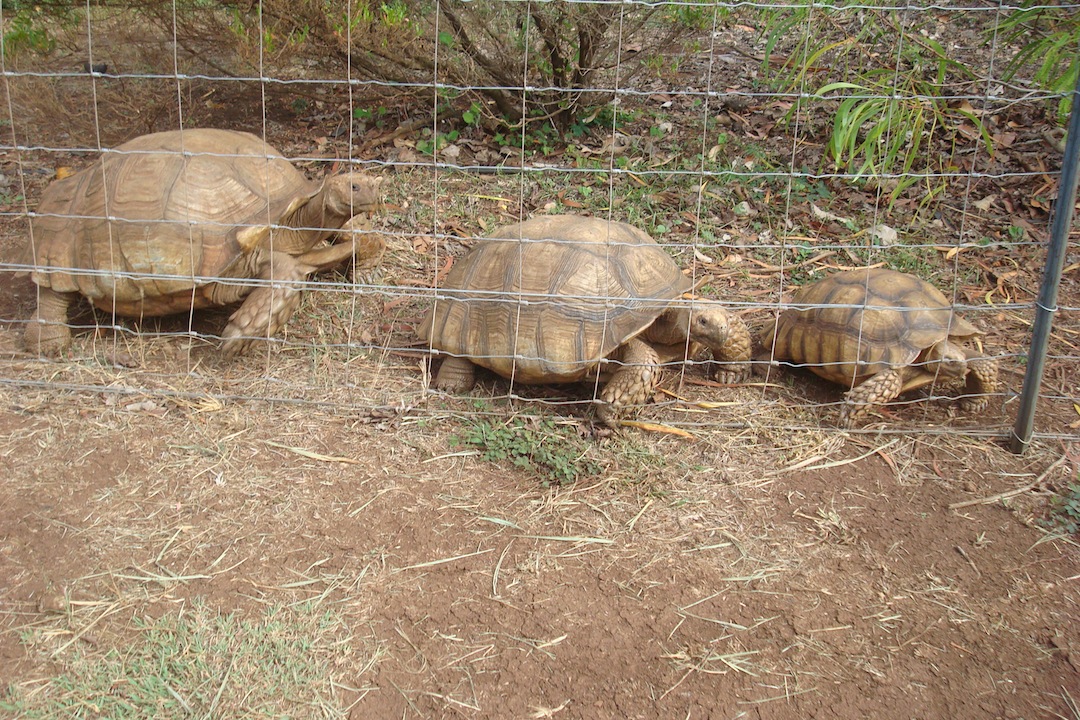
Mahalo nui to the wonderful staff and volunteers of Makauwahi Cave Reserve for giving Lida and me some time off during the Christmas holidays. Everything has functioned normally while we’re away, and that’s only possible because of the dedication of so many. Tours, maintenance, and outreach have all gone smoothly. Thanks also to all those who have helped us “keep watch over the flock” of giant tortoises who do so much of our weeding in the native plant restorations these days. We have four new tortoises slated to arrive in the first week of the New Year, and with winter rains, there will be plenty of weeds for them to munch!

tortoises

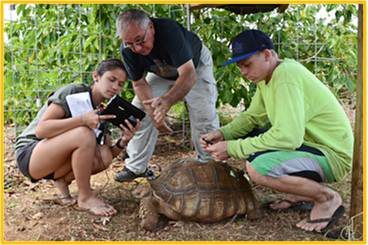
Three of our growing herd of tortoises inspect our substantial fence line, which keeps tortoises in – and pigs out!
Photo by Sarah Shaw

I’ll be back “on duty” at the cave starting January 3, and for several months hence. But what we really like to see is that we can both be away for an extended period, and all goes on as usual at the cave. We are getting closer to our long-term goal: to make ourselves as unnecessary to the day-to-day operation as possible.

Come Dig With Us

The Kaua`i Archaeological Field School , a program jointly sponsored by the University of Hawaii – Manoa Anthropology Department and the National Tropical Botanical Garden, will be digging Monday through Wednesday each week at Makauwahi Cave from June 15-July 14 this year. And everybody’s invited!

The program provides fully transferable college credit through UH for graduate and undergraduate students of all ages and backgrounds. Continue reading

A Whole Year’s Worth of Stuff

An expanded Archaeological Field School, monthly guided hikes from Poipu Beach, and music/hula festivals in the fall and spring are among the highlights of the offerings at Makauwahi Cave in 2013. Thanks to a grant from the Hawai`i Tourism Authority, the Reserve will be able to expand its public offerings this year to give visitors an even greater chance to have a tourist experience unique to the site. For instance we plan to offer college students and interested visitors the opportunity to assist with our large-scale excavations in the sinkhole and South Cave (see below).

Continue reading

KCA Field Trip

The Kaua`i Conservation Alliance, including members of conservation organizations and agencies throughout the island, converged on Makauwahi Cave Reserve Friday, November 2, for their monthly meeting and a tour of the site. Of course, many are regulars out here, volunteering, leading groups, and even doing experiments (see Newsletter Issue One for an example), but this was an opportunity to see recent developments and share the latest news from conservation around the Garden Isle. For more on the KCA, see their Facebook page.

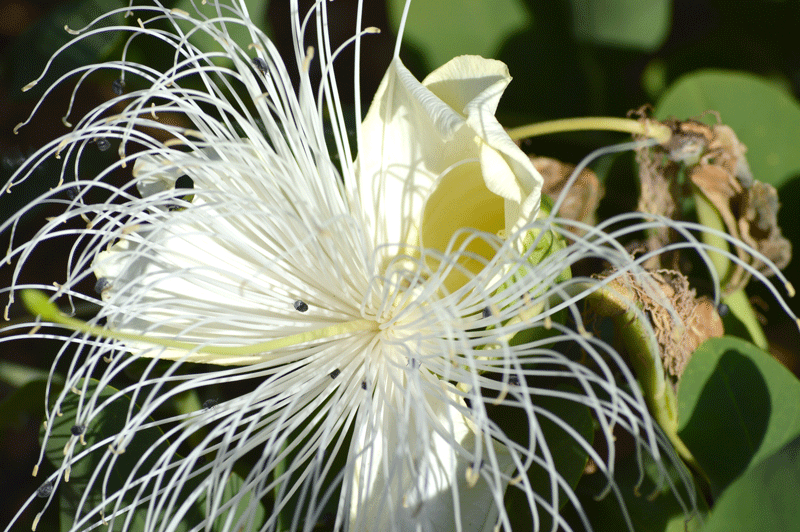
Maiapilo

The rare and beautiful Maiapilo was one of the sights that greeted the KCA group along the Makauwahi Cave Trail. (photo by Lida Pigott Burney).

Update from the Tortoise Project

The story of our experiments at Makauwahi Cave Reserve in Hawai`i using large sulcata tortoises as an ecological replacement for Kauai’s extinct giant ducks and geese appeared in the first issue of The Tortoise (available in PDF here). In the ensuing months, we have expanded to eleven tortoises, including some African Leopard Tortoises (Stigmochelys pardalis). Thanks to help from interns and volunteers, we have also had the chance to collect and analyze a wealth of data concerning food choices and other ecological factors.

Interns Marie Maile McKenzie and Ron O’Brien from the University of Hawaii-Hilo carried out behavioral sampling, feeding trials, and soil studies. Their large data sets showed that sulcata and pardalis tortoises greatly prefer to eat non-native weeds over native Hawaiian species, and that their feces improve worn-out tropical agricultural soils.

Soil fertility was measured immediately outside and inside the tortoise enclosures, and the results showed consistently much richer soils inside.

UH-Hilo Professor Jim Juvik helps our interns to “wire up” a tortoise with high-tech devices to measure its activity patterns. (photo by David Burney)

Continue reading

Oldest Picture of the Cave?

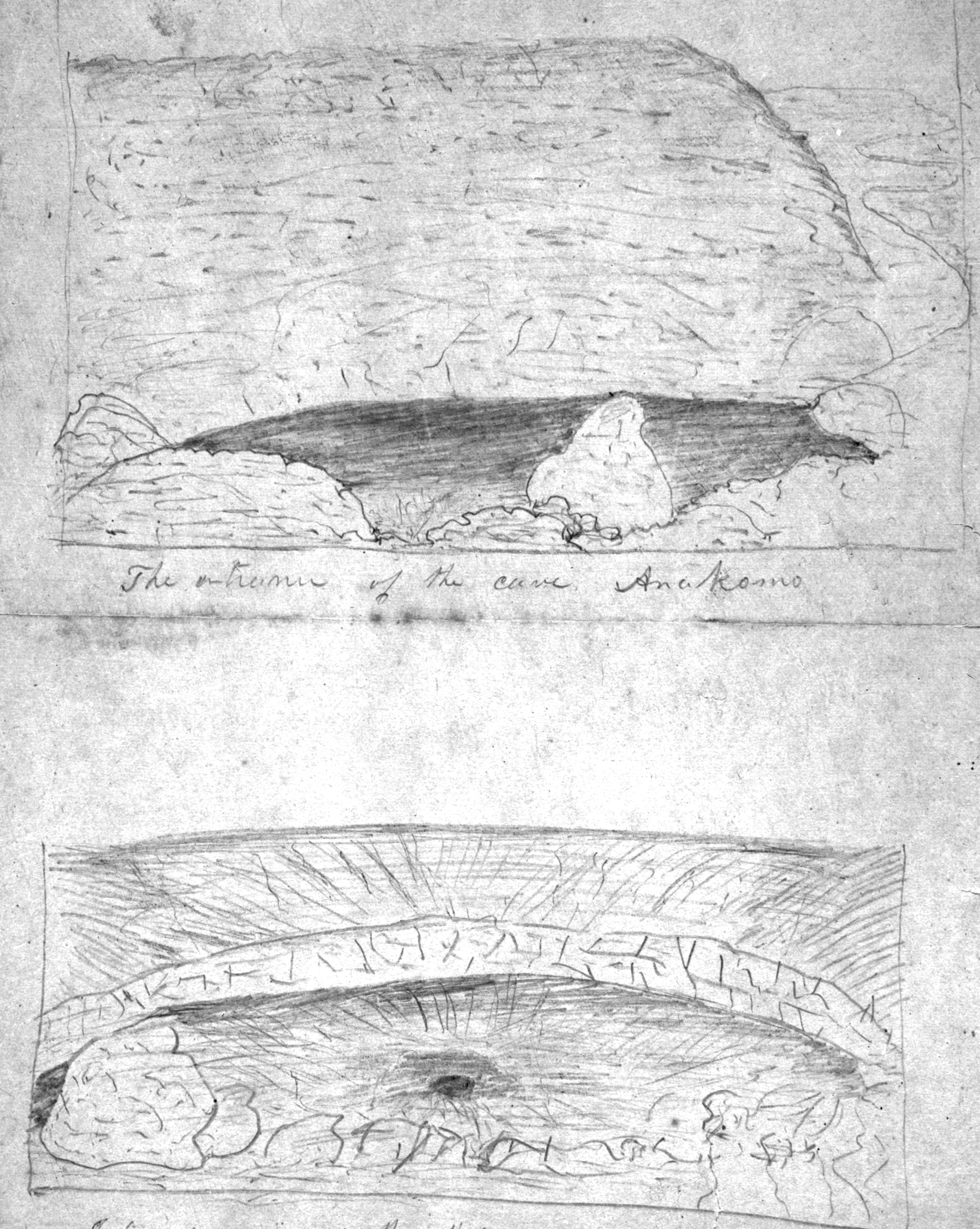
Many of you have seen a picture from the 1824 Kaua`i notebook of missionary Hiram Bingham, on page 99 of Back to the Future in the Caves of Kaua`i, depicting 34 traditional grass hale that stood near the cave almost two centuries ago. On a recent trip to Honolulu for a Conservation Council for Hawai`i Board meeting, Lida visited the Hawaiian Mission Children’s Society Library again and went through his 1824 notebook some more, to look some more at pictures he sketched of a cave nearby he called “Anakomo.”

So, is this our sinkhole?

Missionary Hiram Bingham made these sketches of a sinkhole on the south shore of Kaua`i in 1824. Look a little familiar? (Courtesy of Hawaiian Mission Children’s Society Library, Honolulu)

Continue reading

Thanks

Long as I can remember, the Thanksgiving holidays have been an outdoor adventure for me, starting when I was a little boy roaming the woods with my grandfather, right on through the years Mara and Alec were growing up. My son Alec and I have made this an official family tradition in the last four Thanksgivings running – a week of hiking, boating, biking, and cold-weather camping every time. Last winter we floated remote rivers of Chesapeake Bay, for instance. These are serious outdoor challenges, involving ultralight camping and covering many miles a day in remote settings for a week – and we have it to ourselves because it’s too cold for reasonable people.

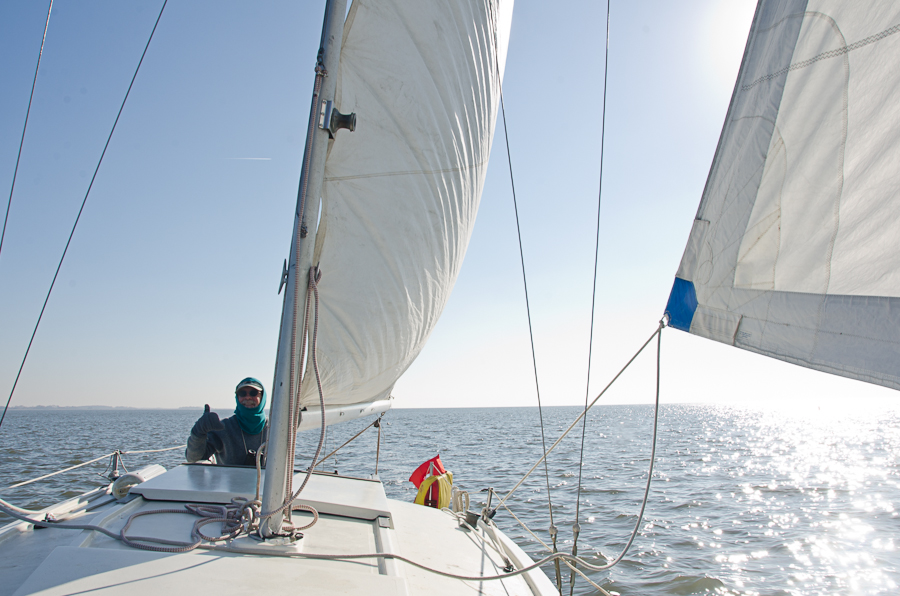
This year we had a special challenge: one week to move Alec’s newly purchased cabin sloop — a 26-foot Bristol with about 400 square feet of sail, 45 years old but quite seaworthy (we hoped) Continue reading